Twitter’s Verification Changes Spark Confusion Among Users
On Saturday, many Twitter users woke up anticipating a major change to their accounts. Elon Musk announced a plan to remove blue verification check marks from several users. However, the outcome was different from what many expected.
Instead of seeing a widespread removal of these check marks, a single account from the New York Times was specifically targeted. This action surprised many users and raised questions about the platform’s verification process.
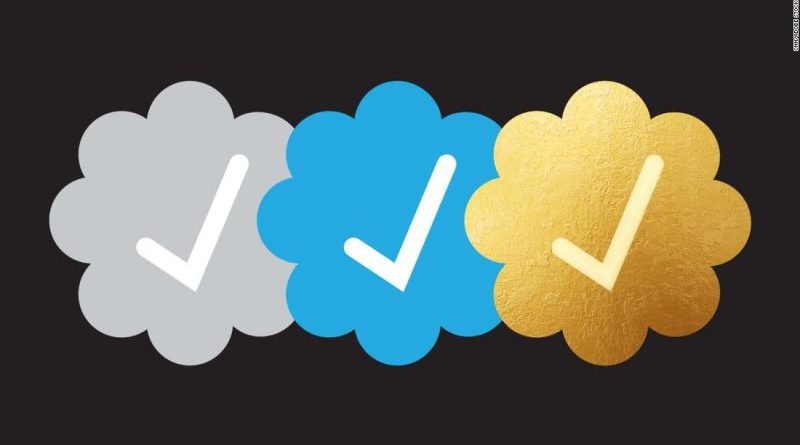
The blue check mark on Twitter is a symbol that shows an account is verified, meaning it is authentic and belongs to a notable person or organization. Users believed that a broader clean-up would occur, but the focus on one publication led to confusion about the criteria for verification.
In addition to this targeting, Twitter also changed some language on its site, making it harder for users to understand why certain accounts are verified. This lack of clarity has left many wondering about the future of verification on the platform.
Critics argue that Musk’s focus on the New York Times indicates a personal bias, as he has previously expressed negative opinions about the publication. This incident has fueled discussions about whether Twitter’s verification system is being used fairly or if it is influenced by personal feelings.
As the situation unfolds, users are left with more questions than answers regarding the verification process. Will Twitter continue to target specific accounts, or will it eventually implement the broader changes Musk initially promised? Only time will tell how this will affect user trust and the platform’s reputation.
Image: CNN — source