Haggis: Scotland’s Unique Dish Not Allowed in the US
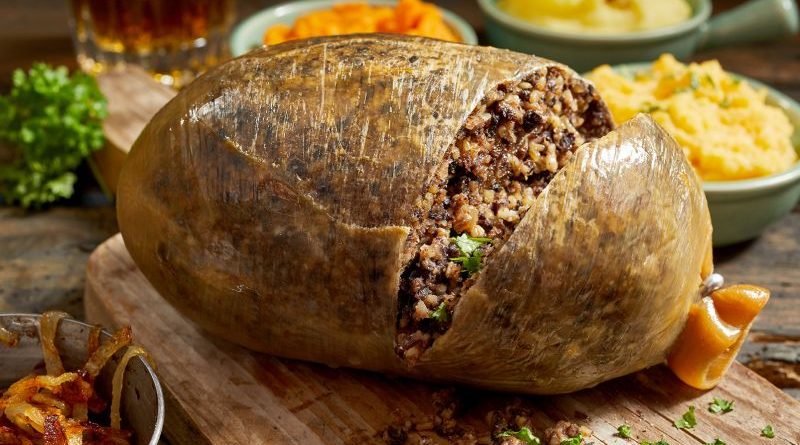
Haggis is a traditional dish from Scotland that many people love. It is made from sheep organs, which are cooked and mixed with spices. This mixture is then stuffed into the sheep’s stomach and boiled. While it is a well-known delicacy in Scotland, it faces a ban in the United States.
Why Haggis is Banned in the US
The main reason haggis is not allowed in the US is due to its ingredients. The dish includes sheep lungs, which are not permitted by US food safety regulations. As a result, haggis cannot be imported or sold in American markets. Despite this ban, haggis remains a beloved meal in Scotland, where it is often served at special occasions like Burns Night, a celebration of the poet Robert Burns.
Many chefs and food lovers appreciate haggis for its rich flavor and unique texture. It is often accompanied by ‘neeps and tatties,’ which are mashed turnips and potatoes. Haggis is not just a dish; it is a part of Scottish culture and is celebrated for its historical significance.
Famous American chef Anthony Bourdain was known for his love of haggis. He acknowledged that while some might find the idea of eating sheep organs unappealing, the dish is a culinary treasure for many in Scotland. Bourdain’s appreciation helped introduce haggis to a broader audience, even if it remains unavailable in the US.
For those who want to try haggis, traveling to Scotland is the best option. Many restaurants across the country offer this dish, often prepared in creative ways that highlight its flavors while respecting traditional recipes. Haggis is a unique experience for anyone interested in exploring different cultures through food.
Image: CNN — source