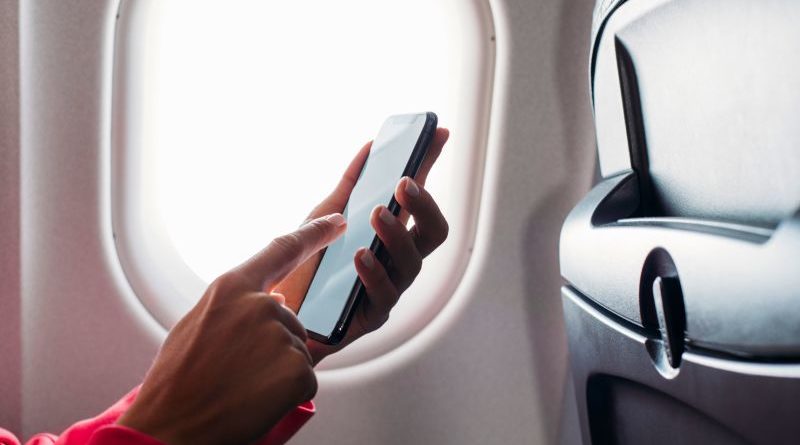
Why Airplane Mode is Essential During Flights
When you board a plane, you often hear the flight attendants remind everyone to switch their devices to airplane mode. But why is this important? Understanding the reasons behind this request can help passengers appreciate the safety measures in place.
Safety First: Reducing Interference
The main reason for enabling airplane mode is to prevent electronic devices from causing interference with the aircraft’s systems. Mobile phones and other devices emit signals that can disrupt communication between the airplane and air traffic control. This disruption can potentially lead to dangerous situations, especially during takeoff and landing when clear communication is crucial.
Moreover, modern aircraft are designed to handle some level of electronic interference. However, turning on airplane mode ensures that devices do not contribute to the risk. It is a simple precaution that everyone can take to enhance safety during the flight.
In addition to safety, using airplane mode helps to conserve battery life on your devices. When you are in the air, your phone constantly searches for signals from cell towers on the ground. This can drain your battery quickly. By switching to airplane mode, you can save power and use your device for offline activities like reading or listening to music.
Lastly, adhering to the airplane mode rule shows respect for the flight crew and other passengers. It helps maintain a calm environment during the flight, making the experience more enjoyable for everyone on board.
In summary, activating airplane mode is not just a routine request; it is an important safety measure. It prevents interference with the aircraft’s systems, conserves battery life, and promotes a peaceful atmosphere for all passengers. So next time you fly, remember to switch on airplane mode as part of your travel routine.
Image: CNN — source