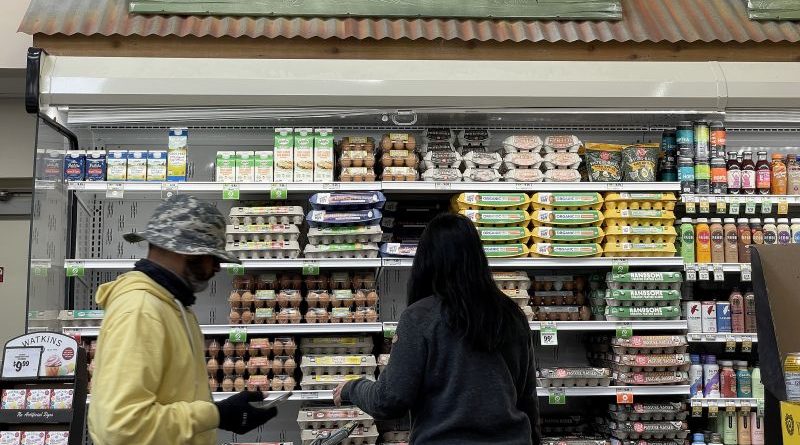
US Retail Spending Drops as Consumers Cut Back
In March, spending at US retail stores decreased as consumers became more cautious about their purchases. This drop in retail activity comes amid growing worries about the economy, particularly following recent issues in the banking sector.
According to the latest reports, retail sales fell by 1% in March. Many consumers are feeling the pinch from rising prices and uncertainty about their financial future. This has led them to cut back on non-essential items and reconsider their spending habits.
Economic Concerns Affecting Consumer Behavior
Analysts point to rising inflation and fears of a recession as key factors influencing consumer behavior. With ongoing concerns about job security and economic stability, shoppers are being more selective about where and how they spend their money. Many families are prioritizing necessities such as groceries and household goods, while discretionary spending on items like clothing and electronics has taken a hit.
This change in consumer behavior is causing alarm among retailers, who rely on consistent sales to maintain their businesses. Some stores are reporting lower foot traffic and reduced sales volume, leading to concerns about potential layoffs and store closures if the trend continues.
Experts suggest that retailers need to adapt to this new climate by offering promotions and discounts to attract customers. They may also need to focus on enhancing the shopping experience to keep consumers engaged and willing to spend.
As the economic situation evolves, it remains to be seen how long this decline in retail spending will last and what measures retailers will take to respond. For now, many consumers are watching their wallets closely, which could have a ripple effect throughout the economy.
Image: CNN — source