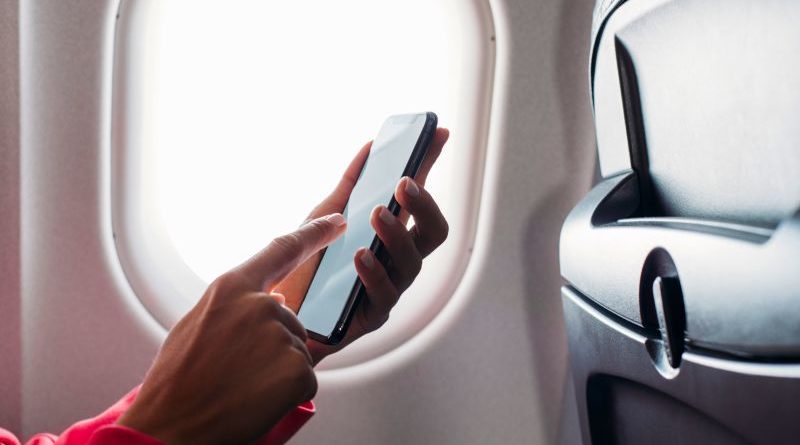
Why It’s Important to Use Airplane Mode When Flying
When you board an airplane, you often hear instructions about putting your electronic devices in airplane mode. But why is this step so important?
Airplane mode is a setting on smartphones, tablets, and laptops that disables their wireless communication features. This includes cellular data, Wi-Fi, and Bluetooth. The main reason for this requirement is safety. Electronic devices can interfere with the aircraft’s navigation and communication systems. While modern planes are designed to withstand some interference, it is best to minimize any potential risks.
How Airplane Mode Helps
Using airplane mode also helps you enjoy a smoother flight. When devices are not sending and receiving signals, it reduces the number of electronic signals in the cabin. This can make it easier for flight attendants and pilots to communicate with each other without distractions.
Another benefit of airplane mode is that it helps save battery life. When your device is searching for a signal, it uses more power. By switching to airplane mode, your device conserves energy, allowing you to use it for longer without needing to recharge.
In addition to safety and battery conservation, airplane mode can also improve your flying experience. When you are up in the air, internet connectivity can be unreliable. By turning on airplane mode, you can focus on downloaded content like movies, books, or music rather than worrying about connectivity issues.
Many airlines offer in-flight Wi-Fi, but it can be expensive and slow. By using airplane mode and only connecting to Wi-Fi when available, you can control your expenses and have a more enjoyable trip.
In summary, turning on airplane mode is not just a rule; it is a safety measure that helps both passengers and crew. It reduces interference with the aircraft’s systems, conserves battery life, and enhances your overall flying experience.
Image: CNN — source