Why Haggis is Loved in Scotland but Banned in the US
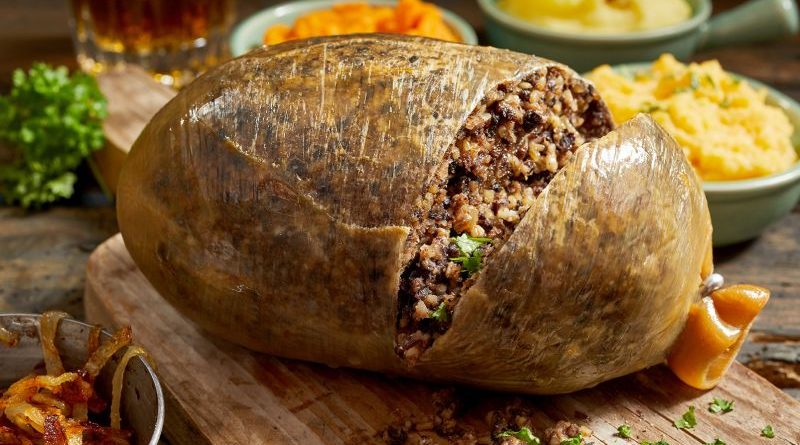
Haggis is a traditional dish from Scotland that has a rich history and a unique flavor profile. Made from sheep’s heart, liver, and lungs mixed with spices, oats, and onions, it is traditionally encased in the sheep’s stomach. Despite its popularity in Scotland, haggis is banned in the United States due to health regulations.
The Cultural Importance of Haggis
In Scotland, haggis is more than just a meal; it is a symbol of national pride and heritage. It is often served during special occasions such as Burns Night, which honors the famous Scottish poet Robert Burns. During this celebration, haggis is presented with great fanfare, accompanied by traditional music and poetry recitation.
Many chefs and food enthusiasts in Scotland take pride in preparing haggis, and it is considered a fine-dining dish. It is often paired with neeps (turnips) and tatties (mashed potatoes) to create a hearty meal. The dish is celebrated for its robust flavors and unique texture, making it a favorite among locals and tourists alike.
However, in the United States, the dish faces a different reality. The USDA prohibits the importation of haggis due to concerns about the use of sheep lungs, as they do not meet American food safety standards. This ban has led to a peculiar situation where a dish that is integral to Scottish culture cannot be legally sold in the US.
Despite the ban, some American chefs have tried to recreate haggis using alternative ingredients that comply with US regulations. These adaptations often replace sheep organs with beef or other meats, but purists argue that these versions lack the authentic taste and experience of traditional haggis.
The contrast between haggis’ status in Scotland and its ban in America highlights the differences in food culture and regulations. While Scotland embraces this dish with pride, many in the US are left curious about a culinary experience they may never taste.
Image: CNN — source