Impact of OPEC’s Oil Cut on U.S. Gas Prices
Recently, OPEC (the Organization of the Petroleum Exporting Countries) and its partners made a significant decision to reduce oil production. This unexpected move is likely to have a direct effect on gas prices in the United States.
What the Oil Cut Means for Consumers
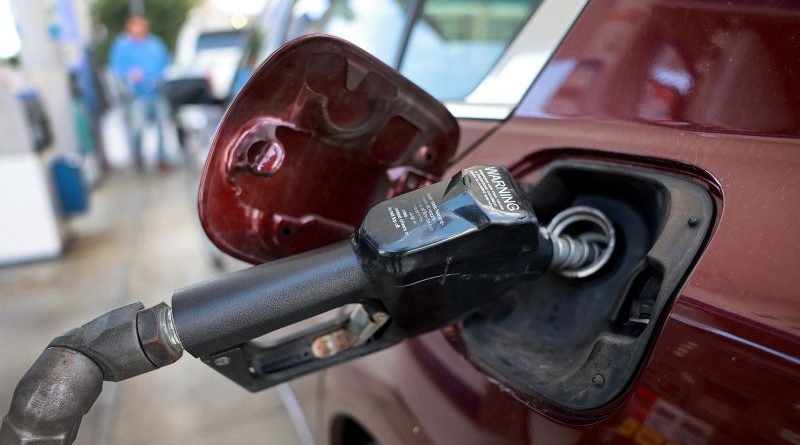
Gas prices in the U.S. are expected to rise as a result of this production cut. When OPEC decreases the amount of oil it produces, it can lead to higher prices for crude oil. Since gasoline is made from crude oil, this increase will ultimately be passed on to consumers at the pump.
The oil market operates on supply and demand. When OPEC limits supply by cutting production, it can create a situation where demand exceeds the available product. As a result, gas stations may raise their prices to reflect the higher costs of oil.
Analysts are already predicting that U.S. drivers will soon notice these price increases. The extent of the price rise will depend on how much OPEC decides to cut production and how other oil-producing nations respond.
This decision comes at a time when many consumers are already facing high prices due to other economic factors. With winter approaching, the added cost of gas could strain household budgets even more.
OPEC’s production cuts are not just significant for the U.S. market; they have global implications as well. Countries that rely heavily on oil imports may experience similar price increases. As oil becomes more expensive, it can impact everything from transportation costs to the prices of goods and services, further affecting the global economy.
In summary, OPEC’s recent decision to cut oil production will likely lead to increased gas prices for U.S. consumers. As this situation develops, it is essential for drivers to stay informed about changes in fuel costs and consider adjusting their budgets accordingly.
Image: CNN — source