How Screens Affect Kids’ Sleep Patterns
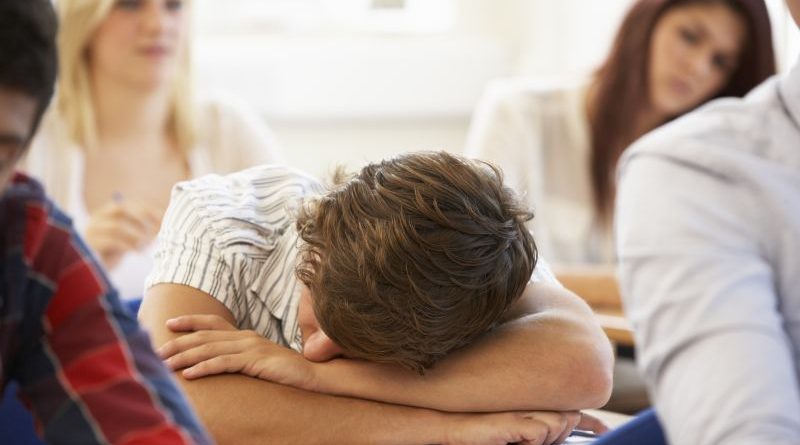
Many children today are struggling to get enough sleep. Teachers across the country are noticing that students often come to school tired. A big reason for this is the amount of time kids spend on their phones and other screens.
With the rise of social media and online games, children are often staying awake late into the night. They may be busy taking selfies, texting friends, or playing video games instead of going to bed. This can lead to a lack of sleep, which affects their ability to focus and learn in school.
The Impact of Sleep Deprivation
When kids do not get enough rest, their mood and behavior can change. They may feel grumpy or have trouble paying attention during lessons. Studies show that sleep is very important for children’s growth, development, and overall health. Without enough sleep, they might struggle in their studies and extracurricular activities.
Experts suggest that parents should set limits on screen time, especially in the hours leading up to bedtime. Creating a bedtime routine that does not involve screens can help kids wind down and prepare for sleep. Activities like reading a book or listening to calming music can be a great alternative to screen time.
In addition, schools can play a role in addressing this issue. Educating students about the importance of sleep and how screens can affect their health may help them make better choices. Encouraging kids to prioritize sleep can lead to improved concentration and better performance in school.
Overall, it is crucial for both parents and educators to work together. By understanding the impact of screens on sleep, they can help children develop healthier habits that will benefit them in the long run.
Image: CNN — source